The Mind–Body Fertility Connection: Stress, IVF & Support
May 27, 2025
|
Fertility care can become a world of tests, treatment plans, timing, and results. Yet your emotional energy and your experience matter throughout this journey, too. The mind–body fertility connection invites you to notice how stress, uncertainty, sleep, your nervous system, relationships, and daily life shape the way you experience trying to conceive. It does not mean your thoughts caused infertility or that you must feel a certain way to become pregnant. There is no shame here. As you care for yourself through this process, you may discover a deeper capacity for love and connection, with yourself and with the parent you are becoming.
If you have been told to “just relax,” you may have felt misunderstood. You can be anxious and still pursue good care. You can practice meditation and still need a reproductive evaluation. You can feel angry, sad, or frightened without those feelings making you responsible for infertility or a failed cycle.
This guide explores what mind–body support can offer, what the research does and does not establish, and how to make room for your whole self during natural conception or assisted reproductive treatment.
What is the mind–body fertility connection?
Mind and body influence each other in connected ways. Stress may affect sleep, appetite, concentration, relationships, and the way you make decisions. A difficult appointment can leave your body tense; a pause, a supportive conversation, or gentle movement may help you feel more able to meet the next moment. These experiences deserve care in their own right.
Fertility, however, also involves medical factors that cannot be reduced to a mindset: age, ovulation, sperm health, tubal health, uterine conditions, genetics, and more. Emotional support belongs alongside appropriate treatment. Lindsay’s Fertile Energy Field Method™ describes her whole-person approach to the physical, emotional, and the five body and intuitive dimensions of this journey.

Can stress or negative thoughts cause infertility?
Stress can affect the body’s hormonal signaling, including systems involved in reproduction. What remains less clear is how everyday stress affects any one person’s chance of conceiving. The American Society for Reproductive Medicine’s guidance on stress and infertility makes an important distinction: easing stress may improve your well-being during treatment, but it does not, by itself, ensure pregnancy. Caring for your nervous system matters because you matter throughout this experience.
A worried thought is not an instruction to your uterus. Fear does not mean your body is refusing a pregnancy, and you do not need to examine every emotion for signs that you have “blocked” conception. If visualization, prayer, or affirmations help you feel connected to yourself or your future child, let them be sources of comfort, not another test you must pass.
Why emotional support matters during TTC and fertility treatment
Trying to conceive can bring repeated uncertainty: the fertile window, a two-week wait, test results, an IVF retrieval or transfer, and decisions about what comes next. For some people, grief or a prior loss is present throughout. The European Society of Human Reproduction and Embryology’s guidance on psychosocial care recognizes emotional, relational, and decision-making needs across fertility treatment.
Support may help you name what is happening, ask better questions of your care team, set limits with others, and find steadier ways to move through the waiting. The value of a practice is not measured only by whether a pregnancy follows. Your well-being during the process matters now.
Five practical ways to care for your mind and body
1. Notice what you need before trying to change how you feel
Pause and ask: “What is here for me today?” and “What would make the next hour gentler?” The answer might be food, rest, company, privacy, a walk, or a question for your clinician. You do not need to turn every difficult feeling into a positive thought.
2. Choose a regulation practice that feels comfortable
Try a few minutes of easy breathing, feeling your feet on the floor, guided imagery, meditation, or gentle movement. Stop or adapt any practice that feels unpleasant. These tools can create space around stress; they are not substitutes for fertility treatment or mental health care.
3. Give treatment decisions their own time
Keep a short list of questions for your fertility team. When new information arrives, ask what it means, what choices are available, and when a decision is needed. You can request time to think when a choice is not urgent. This is particularly helpful when the emotional weight of a result makes every next step feel immediate.
4. Protect connection with your partner or support people
Tell someone whether you want listening, practical help, or quiet company. If you are navigating treatment with a partner, remember that two people may respond differently to the same news. Our guide to communication and intimacy during fertility stress offers a short conversation practice; Lindsay’s private couples journeys provide a more dedicated space for reconnection or grief.
5. Make room for meaning if it helps you
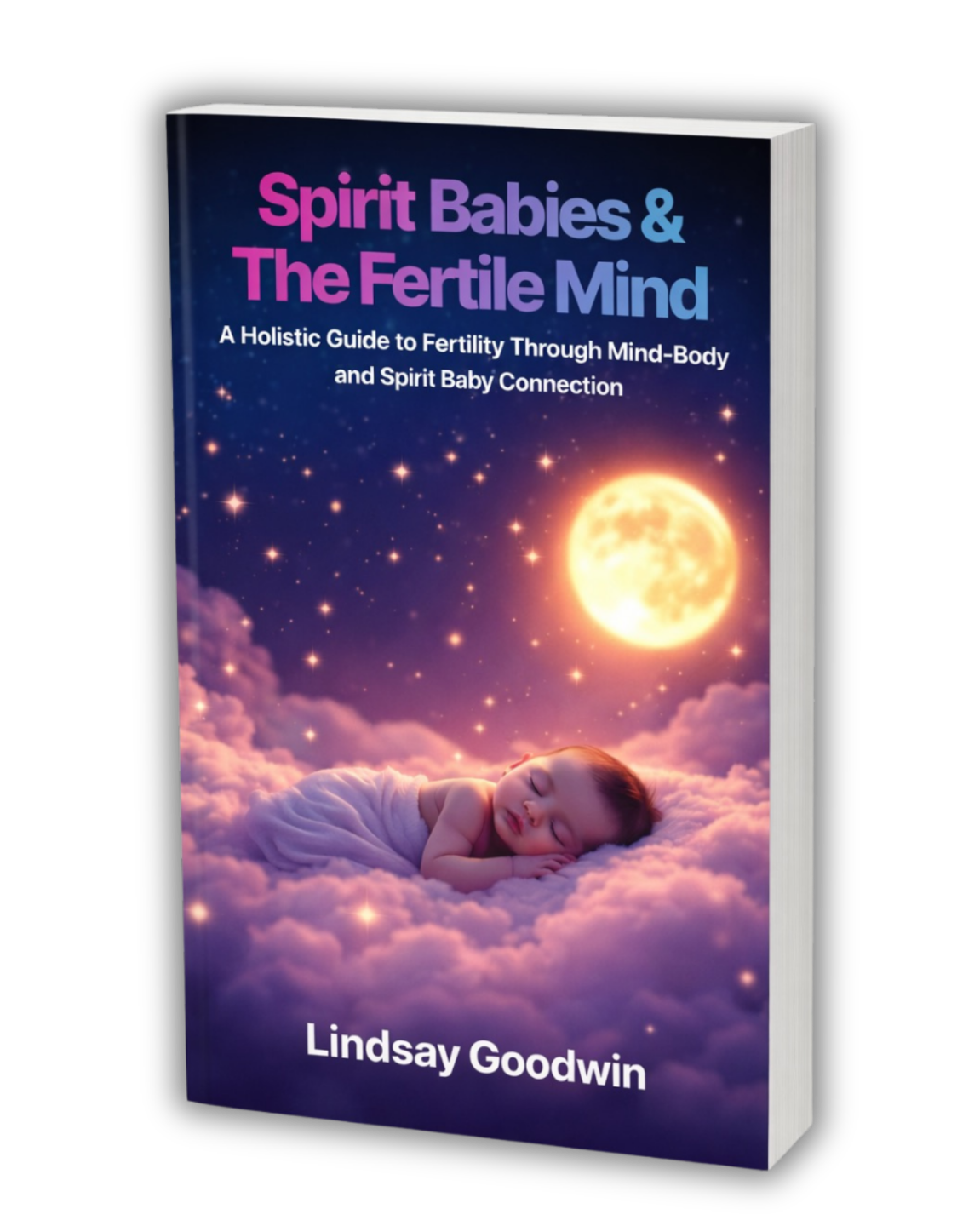
A lot of people find a spiritual or intuitive practice nourishing during fertility care. If you are curious about that dimension, you can explore Lindsay’s spirit baby readings as a personal, spiritual experience. A reading cannot diagnose infertility or predict a treatment outcome, but can offer peace and clarity about next steps forward.
How mind–body support can fit alongside IVF
IVF often asks you to hold precise medical schedules and deeply personal uncertainty at the same time. Emotional care can include planning how you want to hear results, identifying a person you can contact afterward, discussing boundaries around updates, and preparing restorative time after appointments. Ask your fertility team about any physical practice, supplement, or treatment you are considering during a cycle.
For focused support around a treatment period, see the 6-Week Integrative Fertility & IVF Support Program. If you are looking for a longer private container across your fertility journey, explore Private Fertility & Pregnancy Support. These offerings can complement care from your reproductive team.
Find the right fertility support with Lindsay
Reading can bring clarity. Personalized care creates space to apply it to your treatment calendar, emotional life, and relationships. Lindsay Goodwin, LAc, MSOM, FABORM offers private integrative reproductive support through Fertile Frequencies. Choose the path that speaks to your present needs:
- In an IVF or treatment window? The 6-Week Integrative Fertility & IVF Support offers focused private sessions around retrieval, transfer, and waiting.
- Want a deeper three-month partnership? Explore the 12-Week Embodied Fertility Journey for individualized mind–body and reproductive-wellness guidance.
- Need continuity across multiple cycles? The 6-Month Conscious Conception Journey sits within Lindsay’s private fertility pathways.
- Feeling strain together? The Private Couples Healing & Connection Journeys offer dedicated space for communication and closeness.
Start with a conversation: Apply to work with Lindsay so you can explore which level of care fits. You can compare all pathways on the private fertility support page.
When additional support may help
Consider seeking more support if fertility thoughts are crowding out sleep or daily life, if appointments or results repeatedly leave you overwhelmed, if you and your partner cannot reach each other around difficult decisions, or if pregnancy loss has left you carrying grief without enough space for it. A fertility-informed mental health professional can help with persistent anxiety, depression, trauma, or grief. You can also ask your clinic for a referral.
Lindsay offers integrative and intuitive care for people who want space for their emotional experience as well as their fertility questions. Start with the Fertile Frequencies programs and services overview, or apply for private fertility, pregnancy, or couples support to explore a suitable path.

Frequently asked questions
Do I need to feel calm to get pregnant?
No. Fertility is not a test of how calm or positive you can remain. Emotional practices can support your well-being, but they do not guarantee conception.
Should I stop fertility treatment while working on my mindset?
No. Continue decisions about testing and treatment with your qualified medical team. Mind–body practices can sit alongside that care.
What if affirmations make me feel worse?
Choose words that feel honest. “This is hard, and I can seek support today” may feel more useful than a statement you do not believe. You can also skip affirmations entirely.
Can my partner be part of this work?
Yes. Fertility can affect communication, closeness, and shared decisions. The couples healing and connection page explains Lindsay’s private paths for partners.
A compassionate next step
Ask yourself what kind of care would help you feel accompanied in this season: clear medical information, a gentle daily practice, a safer conversation with your partner, or dedicated emotional support. You can begin with one small step. Your feelings are worthy of care regardless of the next test result.
This article is educational and does not provide a diagnosis, predict a pregnancy outcome, or replace individualized medical or mental health care.
Your Host