Pregnancy After 40: A Mind-Body Guide to Fertility and Conception
Sep 01, 2026
There can be an intensity that can enter the fertility journey after 40. The desire for a baby may feel clearer than ever, yet conversations about age can quickly turn that desire into a countdown. Medical appointments become filled with numbers. Friends may offer stories that inspire you one moment and frighten you the next. Even your own body can begin to feel like something you must monitor, improve, or outsmart.
But you are not a statistic, and you are not behind. Your age matters biologically, but it does not contain the whole truth of who you are, what your options may be, or how you can support yourself through conception and pregnancy. A conscious approach to pregnancy after 40 holds two truths at once: reproductive biology deserves timely, informed care, and your emotional, relational, energetic, and spiritual experience also deserves attention.
This is the essence of mind-body fertility support. It is not an argument that positive thinking can reverse age-related changes, and it is never an invitation to blame yourself if pregnancy has not happened. It is a way of becoming an active, supported participant in your fertility journey rather than feeling reduced to test results, timelines, and fear.
What Pregnancy After 40 Really Means
Pregnancy in the forties is more common and more visible than it once was, but fertility does change with age. The number of available eggs declines over time, and a greater proportion of the remaining eggs may have chromosomal differences. According to the American College of Obstetricians and Gynecologists, fertility declines more rapidly beginning in the mid-thirties, and by age 40 the chance of conception in any one menstrual cycle is lower than it is at younger ages.
This information is important because it encourages clarity and timely action. It is not a verdict about your future. Population statistics describe patterns across large groups; they do not evaluate your complete reproductive health, your partner’s fertility, your medical history, the quality of your clinical care, or the different paths to parenthood that may be available to you.
If you are over 40 and want to conceive, both ACOG and the American Society for Reproductive Medicine support seeking a fertility evaluation without waiting through the longer trying period commonly suggested for younger women. This does not mean you must immediately begin IVF. It means you receive useful information sooner, so your next decisions can come from knowledge rather than assumption.
Begin With Information, Not Fear
A fertility evaluation can help you understand ovulation, ovarian reserve, the uterus and fallopian tubes, and any health conditions that may influence conception or pregnancy. If you are trying with a male partner, semen analysis should be part of the conversation early rather than treating fertility as the woman’s responsibility alone. Depending on your history, your physician may also discuss thyroid health, blood sugar, blood pressure, medications, genetic carrier screening, previous pregnancy outcomes, or other individualized concerns.
Testing is most helpful when it becomes a source of direction rather than identity. An AMH result is information about ovarian reserve; it is not a measurement of your worth, femininity, or capacity to become a mother. A diagnosis can guide treatment, but it does not need to become the only story you tell about your body.
If you have already received fertility testing and the results were described as “normal,” you may still feel that something is missing. In Inside the Fertile Field: Why “Normal” Labs Don’t Tell the Whole Fertility Story, I explore why laboratory findings are one meaningful layer of fertility without representing the entire physical and emotional ecosystem in which conception unfolds.

Supporting the Body Before Conception
The purpose of preconception care is not to create a perfect body. Perfection is not a biological requirement for pregnancy, and the pursuit of it can become exhausting. The intention is to identify what is clinically important, strengthen foundational health, and create a plan you can actually sustain.
Schedule a preconception visit with your obstetrician, reproductive endocrinologist, or other qualified clinician. Review every prescription, over-the-counter medication, herb, vitamin, and supplement you take rather than assuming that “natural” automatically means appropriate while trying to conceive. Discuss vaccinations, current health conditions, alcohol, nicotine or other substances, and any relevant environmental or workplace exposures. The CDC’s current pregnancy-planning guidance also recommends beginning 400 micrograms of folate daily at least one month before conception for most people, although your clinician may recommend a different dose based on your medical history.
Food can become another source of pressure in fertility spaces, but nourishment does not need to be punitive. Think in terms of consistency: adequate protein, colorful plants, fiber, healthy fats, complex carbohydrates, and regular meals that support steady energy. Hydration, sleep, appropriate movement, and attention to blood-sugar health are not glamorous solutions, yet they help form the everyday physiology that carries you through treatment, conception, and pregnancy.
If you want a deeper exploration of lifestyle and reproductive aging, read Boost Fertility Over 35: What Actually Moves Egg Quality, Hormones, and Implantation. The goal is not to “hack” your ovaries. It is to focus your energy on supportive choices while avoiding the supplement overload and endless optimization that can make you feel as though you are never doing enough.
The Mind-Body Connection Without Fertility Blame
Women often arrive at mind-body fertility work after being told some version of “just relax.” That phrase is both dismissive and misleading. Infertility is not created by failing to stay calm, and stress reduction cannot guarantee pregnancy. You do not need to become perfectly peaceful before you are worthy of conception.
At the same time, the emotional burden of trying to conceive is real. Fertility treatment can affect sleep, relationships, concentration, sexual connection, self-image, and the ability to feel present in the rest of life. Supporting your nervous system matters because you matter now—not only because you hope to become pregnant.
Research on mind-body and mindfulness-based programs for women experiencing infertility has found benefits for anxiety, depression, and quality of life, while evidence about direct effects on pregnancy rates remains less certain and requires more rigorous study. A 2023 systematic review and meta-analysis, for example, found that mindfulness-based interventions reduced symptoms of anxiety and depression and improved several quality-of-life measures. This is the most honest frame: mind-body support can make the journey more emotionally sustainable, even though it is not a substitute for medical evaluation or treatment.
What Nervous-System Support Can Look Like
Nervous-system regulation is not a performance. It is the repeated experience of returning to yourself when fear pulls you into the future. You do not need a two-hour morning routine. Your body often responds more readily to brief, consistent signals of safety woven into ordinary life.
Before opening a fertility portal, receiving a phone call from your clinic, or walking into an appointment, pause long enough to feel your feet on the ground. Let your exhale become slightly longer than your inhale. Relax your jaw and lower your shoulders. Notice one thing you can see, one sound you can hear, and one place in your body that feels neutral or steady. This does not erase uncertainty. It reminds your system that uncertainty is present without being the whole of the present moment.
You can also create boundaries around fertility information. Choose specific times to review results or research options instead of allowing fertility searches to fill every unoccupied moment. Decide which people feel safe enough to receive updates. Ask your partner or support person for the exact kind of help you need—listening without fixing, attending an appointment, managing a logistical task, or simply spending an evening in which fertility is not discussed.
For a fuller explanation of this inner preparation, visit Prepare the “Soil”: Conscious, Nervous-System-Led Fertility. Preparing the soil means supporting the environment in which you are living and making decisions. It does not mean that your body failed because you were stressed.

Releasing the Pressure to Think Positively
Forced positivity can become another form of fear. If you believe every doubtful thought could block pregnancy, the mind becomes a place you must police. That is not freedom, embodiment, or self-trust.
A more conscious practice is to tell the truth with compassion. You might say, “I am frightened by this uncertainty, and I am still capable of taking the next step.” You might acknowledge grief about age, previous losses, unsuccessful cycles, or a path to motherhood that looks different from the one you first imagined. Grief and hope are not opposites. They can exist in the same body.
When fear appears, ask: Is this fear giving me useful information, or is it repeating an old conclusion? Useful fear may prompt you to ask a question, seek a second opinion, change a boundary, or request support. Repetitive fear often demands certainty that no person or practitioner can honestly provide. Learning to distinguish between the two restores choice.
Understanding Your Fertility Options After 40
Your path may include trying naturally, monitored cycles, medication, IUI, IVF with your own eggs, donor-egg IVF, donor embryos, surrogacy, or another route to motherhood. The most aligned option is not necessarily the one that appears most “natural,” nor is it always the most technologically advanced. It is the path that makes sense in relationship to your medical information, values, finances, partnership, timeline, and emotional capacity.
If IVF or donor eggs enter the conversation, give yourself room to process more than success rates. A new recommendation can stir grief, relief, resistance, possibility, and questions about genetics or identity. None of those reactions means that you are rejecting motherhood. They mean you are integrating a meaningful decision.
For one woman’s experience of a different route to motherhood, read Pregnant at 48: Donor-Egg IVF, Epigenetics, and Surrender. Her story is not a promise or a template. It is a reminder that a fertility path can change form without losing its meaning.
The Spiritual Dimension of Pregnancy After 40
For some women, the desire for a child after 40 carries a strong intuitive or spiritual knowing. You may sense the presence of a future child, dream about a baby, receive a name, or simply feel that your journey is not complete. These experiences can be deeply meaningful without functioning as a medical prediction or a guaranteed timeline.
Spirituality is most supportive when it helps you become more present, honest, and connected to your inner guidance. It becomes less helpful when it asks you to ignore medical information, remain in a treatment plan that no longer feels right, or interpret every setback as evidence that you are energetically blocked.
You can hold intuition and discernment together. Ask what the deeper knowing is actually inviting from you now. Perhaps it is guiding you toward a consultation, a different clinic, a conversation with your partner, a period of rest, or a broader understanding of how motherhood may arrive. Spiritual trust does not require passivity. It asks you to take the next aligned step without demanding that you control the entire path.

Preparing for a Healthy Pregnancy After 40
Once pregnancy occurs, early and consistent prenatal care becomes especially important. Pregnancy after 40 is associated with higher rates of certain complications, including high blood pressure, preeclampsia, gestational diabetes, miscarriage, chromosomal conditions, and stillbirth. These possibilities can sound frightening when presented without context, but increased monitoring exists so that concerns can be identified and managed earlier.
Your obstetric provider can explain prenatal screening and diagnostic options, blood-pressure and blood-sugar monitoring, medication considerations, and whether additional ultrasounds or specialist care are recommended for you. Age alone does not determine every pregnancy outcome or automatically dictate how you must give birth. Individual health, pregnancy history, and the course of the pregnancy all matter.
The same mind-body principles continue here: stay informed, ask questions, receive appropriate care, and create ways to return to yourself when statistics activate fear. You are allowed to be both medically attentive and emotionally connected to the life unfolding within you.
A Conscious Next Step
If you are trying to conceive after 40, you do not need to complete every possible intervention at once. Begin with one grounded medical step and one embodied step. The medical step might be scheduling a fertility evaluation, reviewing your medications, or asking your physician to explain your options. The embodied step might be protecting your sleep, creating a five-minute daily regulation practice, or choosing one person who can support you without intensifying fear.
Then listen again. The fertility journey is rarely clarified through force. It becomes clearer as information, self-trust, intuition, and support begin to speak to one another.
Frequently Asked Questions About Pregnancy After 40
Can I get pregnant naturally after 40?
Yes, natural pregnancy after 40 is possible, but fertility and the likelihood of conception per menstrual cycle decline with age. Because time can be clinically important, professional organizations recommend discussing fertility evaluation promptly if you are over 40 and want to conceive.
When should I see a fertility specialist if I am over 40?
You do not need to wait six or twelve months. ACOG and ASRM indicate that more immediate evaluation may be appropriate for women over 40, particularly when there are irregular cycles, known reproductive conditions, previous losses, or concerns about male-factor fertility.
Does stress cause infertility after 40?
Stress should not be treated as the reason you have not conceived, and you are not responsible for an unsuccessful cycle because you felt afraid or overwhelmed. Mind-body practices can still be valuable for reducing distress and supporting quality of life during fertility treatment.
How can I prepare my body for pregnancy after 40?
Begin with individualized preconception care. Review health conditions, medications, supplements, vaccinations, nutrition, folic acid, sleep, movement, substance use, and fertility testing with qualified clinicians. Avoid extreme protocols that are not appropriate for your medical history.
Is IVF always necessary after age 40?
No. IVF is one possible path, but it is not automatically the right or only option for every woman. Recommendations depend on ovarian reserve, ovulation, uterine and tubal factors, semen findings, prior history, age, values, and goals. A fertility specialist can explain the potential benefits, limitations, timing, and alternatives.
Work With Lindsay
If you want support that honors reproductive medicine while also tending to the emotional, subconscious, intuitive, and spiritual layers of conception, explore the 12-Week Embodied Fertility Journey. This private work is designed to help you move through fertility decisions with greater self-trust, nervous-system awareness, and connection to your body.
You can also explore Fertile Frequencies programs and services to find the form of support that meets you where you are now.
About Lindsay Goodwin
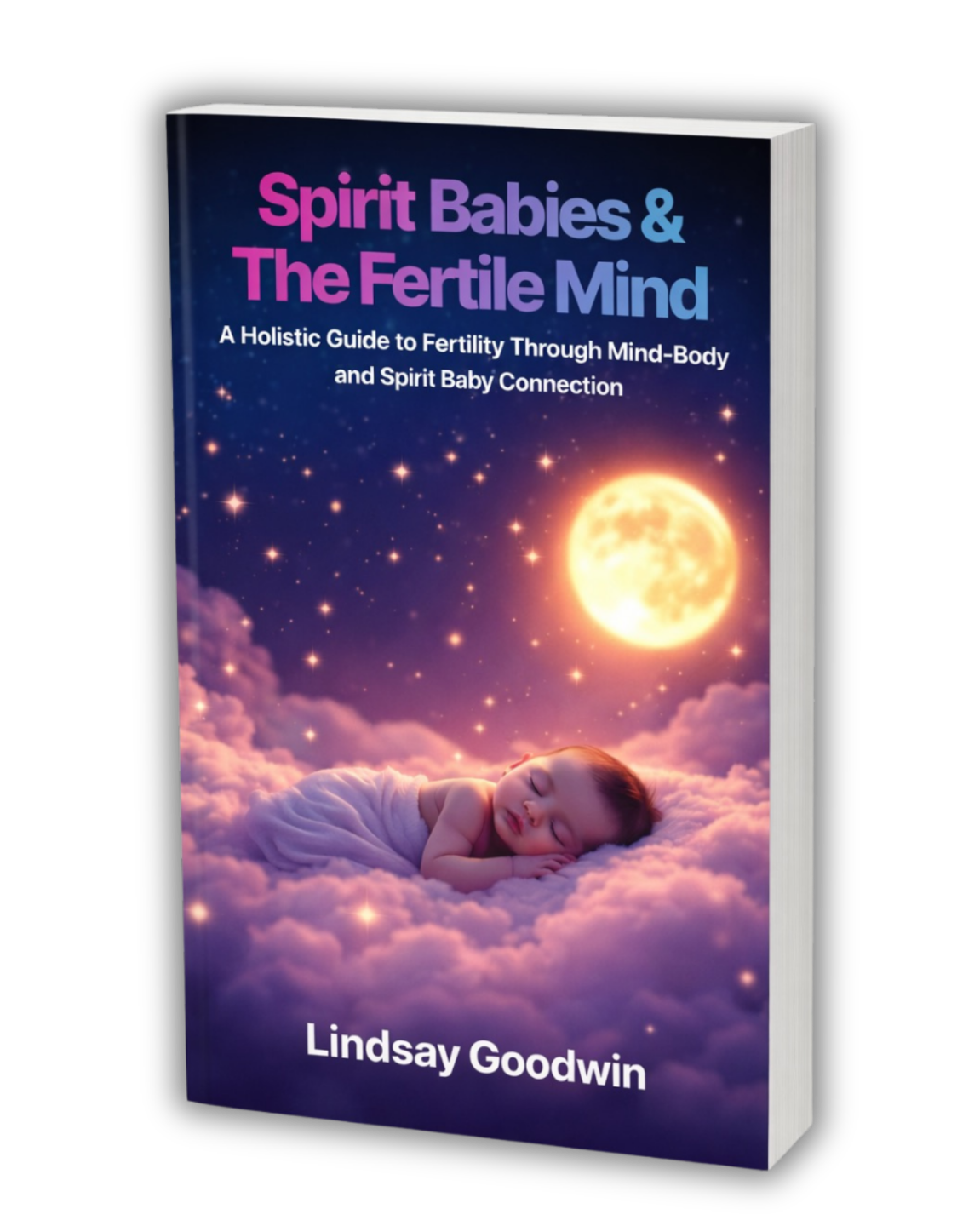
Lindsay Goodwin, LAc, MSOM, BS, FABORM is a licensed acupuncturist and integrative reproductive medicine clinician with nearly two decades of clinical experience in natural reproductive medicine. She is a medical intuitive, generational intuitive and Spirit Baby medium, author of Spirit Babies & The Fertile Mind, and creator of the Fertile Energy Field™ Method. Through Fertile Frequencies, she brings clinical experience and consciousness together to help individuals and couples understand their options, make informed decisions, and follow a personalized plan. Her care offers clear next steps and ongoing support through natural conception, IVF, and pregnancy, with attention to the physical, emotional, intuitive, and spiritual dimensions of each stage.
Disclaimer: This article is for educational and informational purposes only. It is not medical advice and does not replace diagnosis, treatment, or individualized guidance from a physician, reproductive endocrinologist, obstetric provider, mental-health professional, or other qualified healthcare practitioner.
About Lindsay
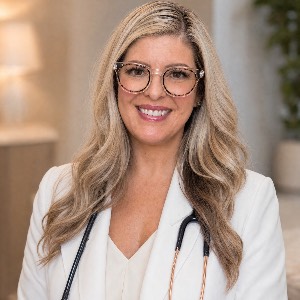
Lindsay Goodwin brings nearly two decades of clinical experience in natural and integrative reproductive medicine together with consciousness and spirit baby connection through her Fertile Energy Field™ Method.
Author of Spirit Babies & The Fertile Mind and the forthcoming The Five Dimensions of Fertility, and host of Fertile Frequencies Radio.